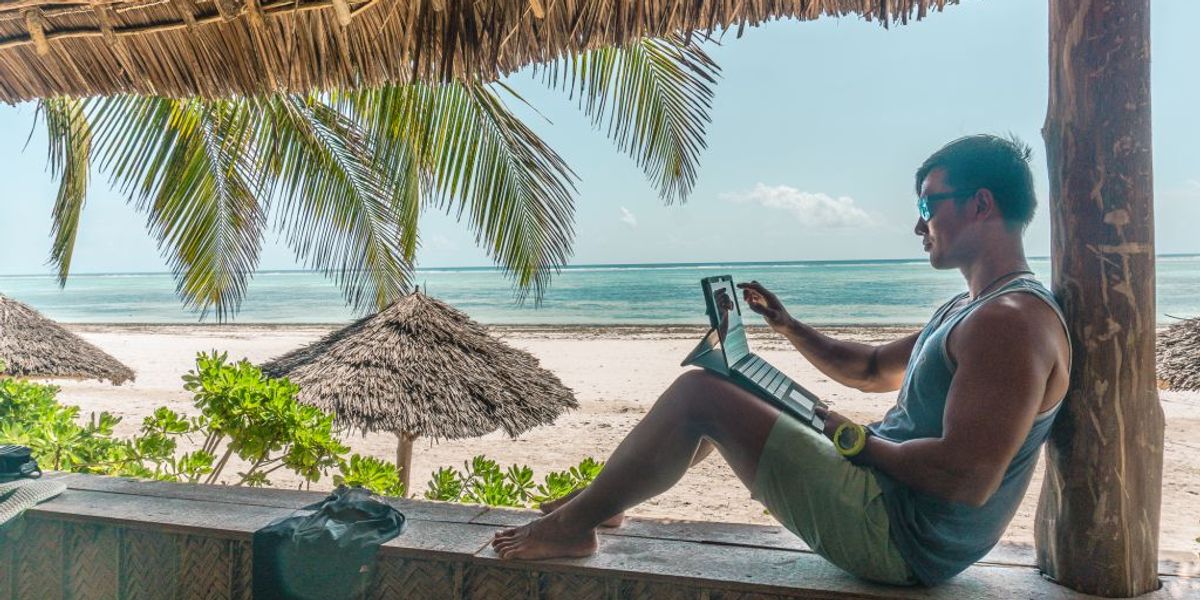
Digital Nomadism In Africa

Niniola Lawal
Click to view profile
Africa has become a primary destination for the global mobile workforce. Professional hubs in cities like Nairobi, Cape Town, and Accra are now essential nodes in a borderless economy. This growth is driven by high-speed connectivity and strategic time zone alignment with major global markets.
Governments are actively competing for international talent through specialized residency programs. Traditional tourist visas are being replaced by long-term permits designed specifically for professional activity. This legislative shift allows remote workers to integrate into local communities while contributing to the regional digital economy.
Evolution of Digital Nomad Visas and Policy Shifts
Legislative changes are making it easier for location-independent professionals to establish a base in Africa. Namibia and Mauritius led the way with streamlined applications, and South Africa recently implemented its own remote work permit. These visas typically require proof of foreign employment and a minimum income threshold to ensure local economic contribution.
Such policies move beyond temporary tourism, aiming to build a stable community of international contributors. According to global visa tracking data, more than 50 countries now offer digital nomad visas, with African nations representing one of the fastest-growing segments in 2026.
Milestones Driving Professional Productivity
The feasibility of remote work in the region depends entirely on the stability of digital and power networks. Massive investments in subsea cables and satellite internet have significantly reduced latency and increased coverage. Metropolitan areas now feature high-speed fibre networks that rival those of established tech hubs in Europe and North America.
This foundation is essential for the data-intensive tasks required in software development and advanced analytics. Data from recent infrastructure reports indicate that terrestrial fibre-optic networks in Africa exceeded 1.3 million km by early 2025.
Economic Integration and the Startup Ecosystem
Digital nomads bring more than just spending power to their host cities. They often act as informal mentors and bridge builders for local startup founders. These interactions take place in coworking spaces and tech meetups, fostering shared knowledge and potential partnerships.
The economic impact of this migration is substantial for urban service sectors. Market analysis suggests that the continent could generate up to $20 billion annually if it attracts just 2% of the global nomadic population. On average, these professionals spend between $1,000 and $3,000 per month on housing, food, and transport.
Regional Hubs Leading the Nomad Movement
Cape Town remains a top choice for those seeking a balance of lifestyle and high-performance work. Nairobi follows closely, leveraging its reputation as the Silicon Savannah to attract technical talent. Kigali and Accra are also gaining popularity for their safety and ease of doing business.
The growth of these hubs mirrors the rise of dedicated coliving platforms. These services provide curated housing with built-in workspaces and community programming. They cater to professionals who value productivity and social connection equally.
Explore how Africa is becoming a global hub for digital nomads in 2026. Learn about new remote work visas, infrastructure growth, and the economic potential of cities like Nairobi and Cape Town.
Visit africatechbusiness for more tech-related content.