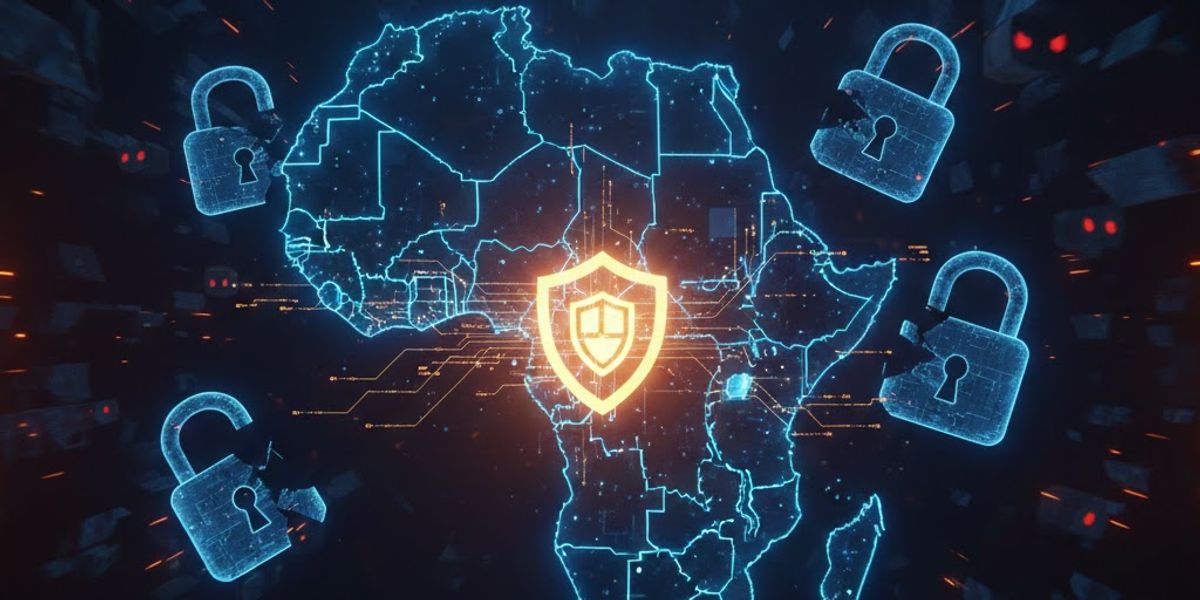
Africa Urgent Need For Stronger Cyber security laws

Niniola Lawal
Click to view profile
Africa's digital boom is a powerful engine for growth, but it operates under a weak legal shield. To secure the projected $180 billion digital economy and protect citizen trust, the continent urgently needs to modernise its cybersecurity laws. The current regulatory environment is fragmented and vulnerable.
Cost of Cyber Insecurity
Cybercrime isn't just a technical glitch; it is a major economic drain and a threat to national stability. Interpol noted that cybercrime costs Africa more than $3 billion between 2019 and 2025.
These colossal losses stem from fraud, business interruptions, and data theft, directly hindering foreign investment and economic competitiveness. Attacks on government systems also compromise public services and data sovereignty.
The Legal Lag and Malabo's Struggle
The main weakness lies in outdated, non-harmonized legal frameworks that fail to address modern threats like cloud computing and AI. The Malabo convention, adopted in 2014 to unify the continent's cyber approach, has seen limited buy-in.
Despite its 2023 entry into force, only 16 out of 55 AU member states had ratified it by late 2024. This low ratification rate cripples its effectiveness and leaves complex legal gaps for businesses operating across borders.
Protecting Digital Ecosystems
The startup ecosystem, especially the Fintech sector, is highly exposed. While VC funding is pouring in, with total African startup funding reaching $2.21 billion in 2024, investment in security and clear legal mandates often trails the rush for scale.
The absence of strict security standards and clear breach reporting rules makes the foundation of consumer trust fragile.
Expert Actionable Reforms
The path forward requires structural reform, not just better software. Governments must immediately push for the widespread ratification of the Malabo Convention and fully resource national Computer Incident Response Teams (CIRTs).
For businesses, security must be built in from the start. Intelligence sharing is vital, especially since 90% of African law enforcement agencies rate their cybercrime law enforcement or prosecution capabilities as insufficient, leaving the private sector to step up and close the gap.
Explore the urgent need for stronger cybersecurity laws in Africa, examining the economic impact of cybercrime, the fragmentation of legal frameworks, such as the Malabo Convention, and the necessary reforms to protect the continent's $180 billion digital economy.
Click on the website for more tech-related content.