Africa’s Climate-Tech Innovators to Watch

Deborah Osifeso
Click to view profile
Africa’s climate tech story is no longer emerging quietly. Across the continent, founders are building companies that respond directly to climate stress while creating commercially viable businesses. From energy access to food systems and urban resilience, African innovators are shaping solutions rooted in lived experience and regional realities, attracting growing global attention.
Climate pressures are not abstract in Africa. Rising temperatures, erratic rainfall, and infrastructure gaps affect daily life, creating a clear problem set and immediate demand for climate-focused startups. What is changing is scale, as capital, policy interest, and talent align, pushing ventures from pilot projects into growth-stage companies that investors now track closely.
Energy Access and Decentralised Power
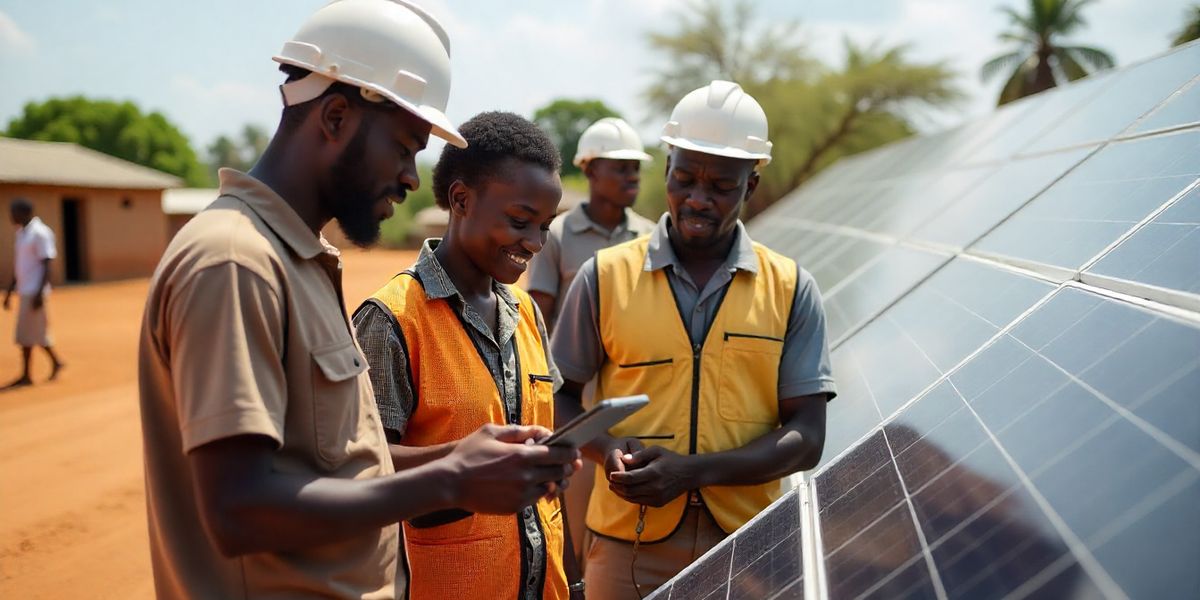
Energy remains the backbone of Africa’s climate innovation push. Startups working on solar, battery storage, and decentralised grids address both climate risk and economic exclusion by prioritising reliable power for homes, clinics, and small businesses rather than idealised transitions.
According to the International Energy Agency, over 600 million people in sub-Saharan Africa still lack access to electricity, highlighting the scale of opportunity for clean energy startups. Companies such as M-KOPA, Daystar Power, and ZOLA Electric show how local distribution networks, flexible pricing, and mobile money partnerships support commercial scale.
Agriculture and Climate Resilient Food Systems
Agriculture employs more than half of Africa’s workforce, making it a central focus for climate technology. Startups in this sector work on weather data, soil health, supply chains, and access to finance, aiming to stabilise farmer income alongside yield improvements.
The World Bank estimates climate change could reduce crop yields in parts of Africa by up to 20% by 2050 without adaptation measures. Firms like Twiga Foods, Pula Advisors, and Apollo Agriculture build trust through data-driven tools and long-term farmer relationships that strengthen resilience.
Urban Climate Solutions and Infrastructure
Africa’s cities are expanding rapidly, concentrating climate risk in transport, waste management, and water systems. Startups operating at the city level often work alongside governments and private operators to deliver solutions that balance public need with commercial viability.
The United Nations projects Africa’s urban population will double by 2050, intensifying pressure on infrastructure. Companies focused on waste-to-energy, water recycling, and electric mobility benefit from long-term contracts rather than fast user growth.
Climate Finance and Carbon Markets
Some of the most strategic climate innovators operate in finance rather than hardware. These startups measure emissions, verify carbon credits, and channel funding into climate projects, helping translate climate commitments into real financial flows.
Africa receives less than 5% of global climate finance despite its relatively low emissions. Climate Policy Initiative data highlight this gap. Platforms working in verification and carbon markets face high compliance demands but offer durable long-term potential.
What Investors Are Watching Closely
Investors are shifting focus from whether African climate tech can scale to how well it executes. Governance quality, unit economics, and regulatory alignment increasingly determine which companies attract sustained capital.
Many leading climate startups are led by founders with deep sector experience rather than repeat startup profiles. Blended finance models that combine grants, equity, and debt are also gaining favour, reflecting the longer timelines required for infrastructure-heavy climate solutions.
Africa’s climate tech innovators are building practical solutions for energy, agriculture, and cities. Explore key trends, startups to watch, and where investment is flowing.
Visit our website for more Tech-related topics.